
Does Good Matcha Have to Come From Japan?

No. Japan has the deepest matcha tradition, but quality comes from how the tea is grown and made: shade growing, an early harvest, careful milling, freshness and certification. The country on the label is a starting signal, not a guarantee.
Why Japan is famous for it
Powdered tea started in China during the Song dynasty. Zen monks took it to Japan in the late 12th century, where it became the tea ceremony and regions like Uji built their name on it. That history is why most guides just say "buy Japanese".
What actually decides quality
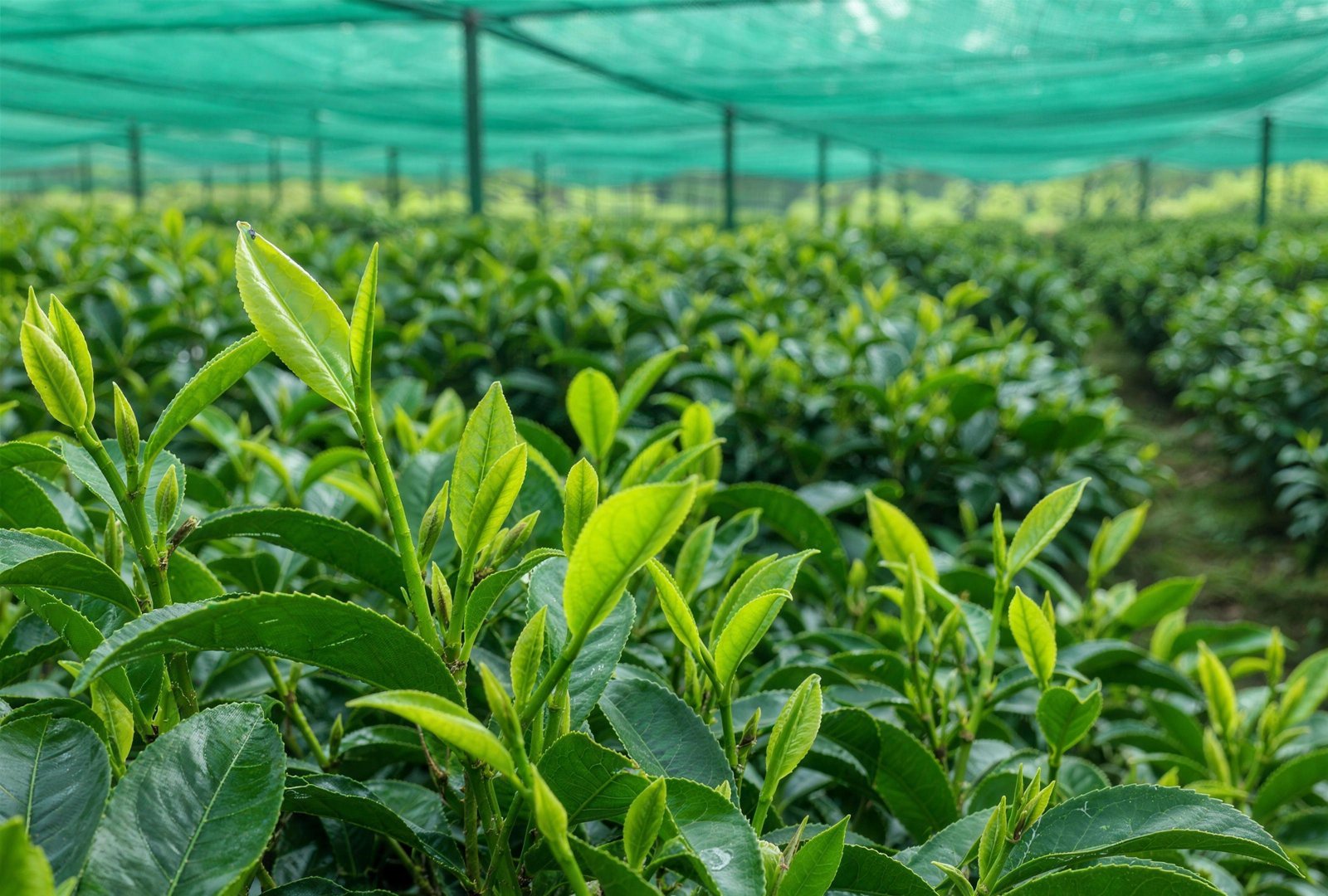
Shade growing
More L-theanine, more sweetness, brighter green.
Early harvest
Young spring leaves make the smoothest cup.
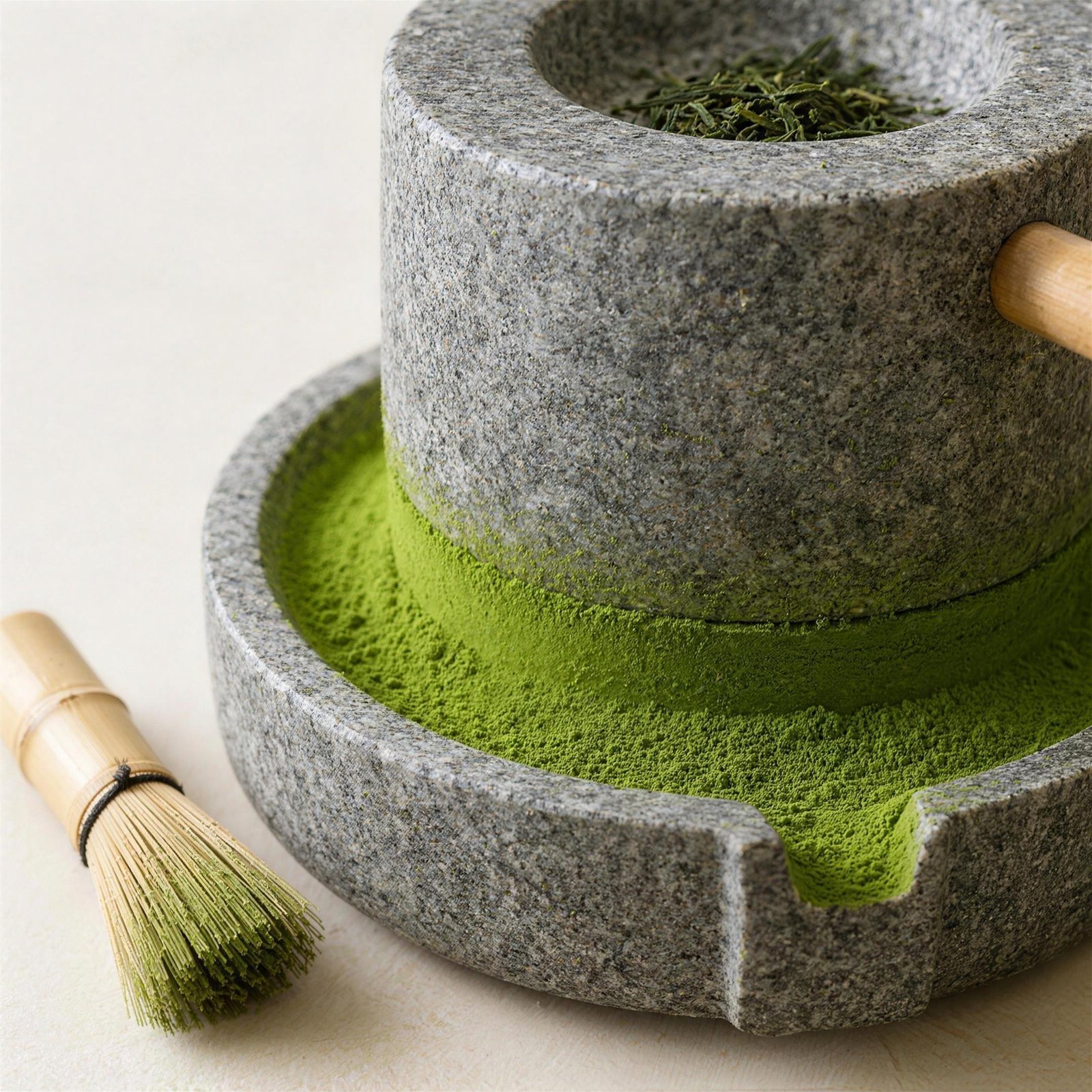
Stone milling
Slow and cool keeps colour and flavour.
Certification
Certified organic means an audited farm.
“Japanese origin isn’t the only mark of good matcha, and ‘ceremonial’ isn’t a regulated grade anywhere, so the fairest test is what ends up in the cup.”
How to judge any matcha
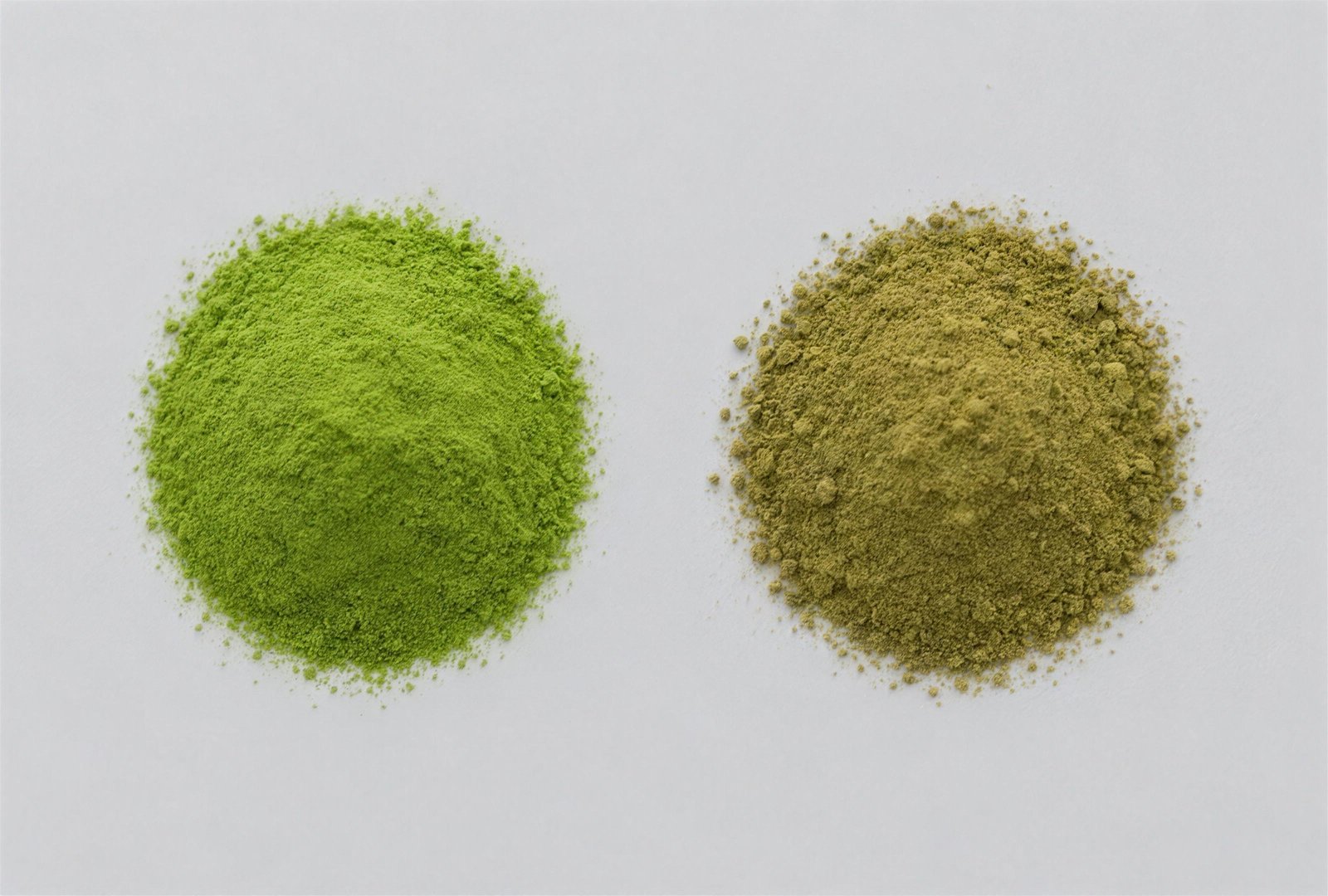
- Colour. Vivid jade green, not yellow or olive.
- Aroma. Fresh and grassy, not flat like hay.
- Texture. Fine and soft, not gritty.
- Taste with water. Some umami is good. Harsh lingering bitterness is not.
- Transparency. The brand names its farm, harvest and certification.
Where MatchaFlow fits
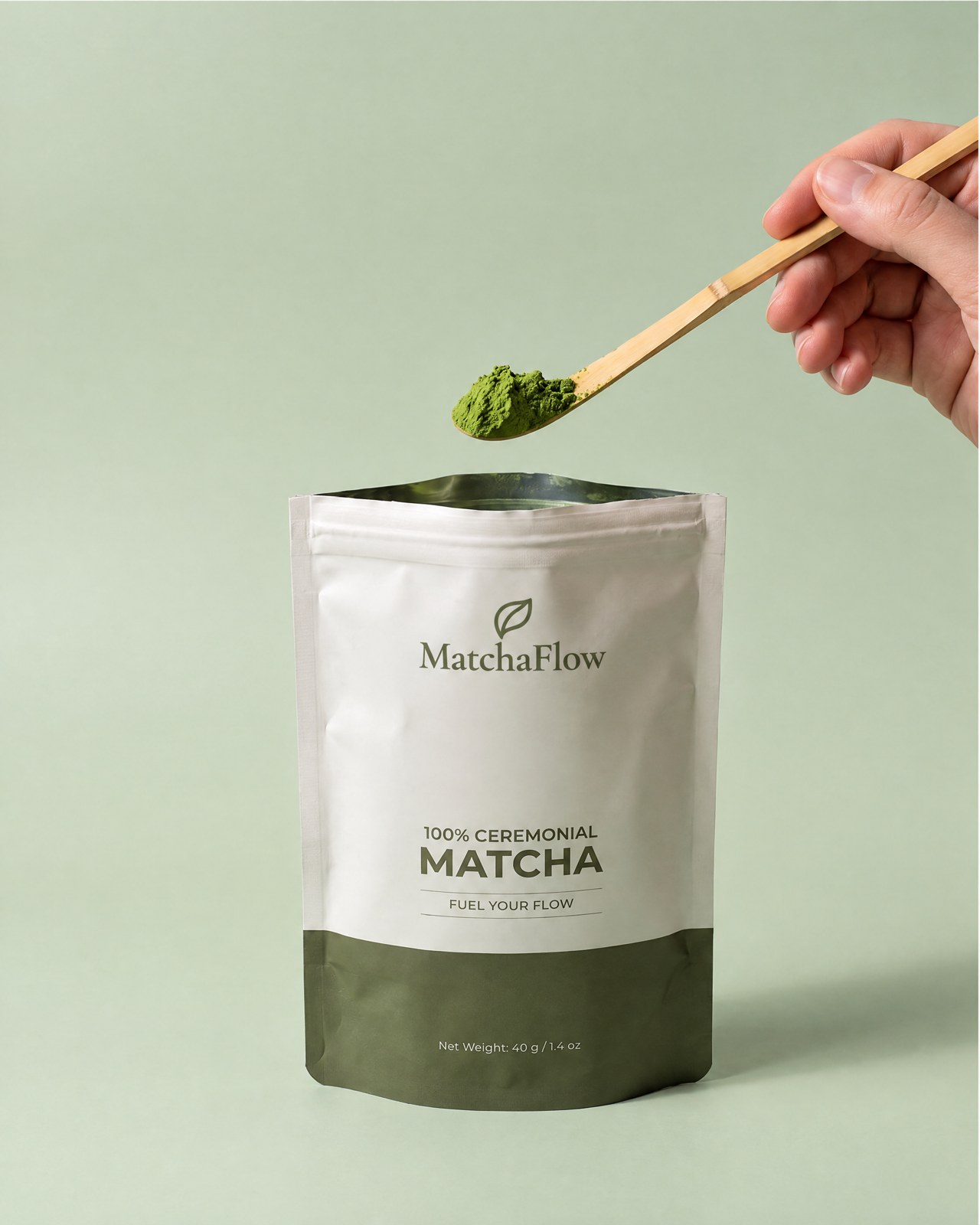
MatchaFlow is grown on a single family farm in Guizhou, China. Shade grown, hand picked, stone milled and certified organic, with every batch traceable to the one farm.
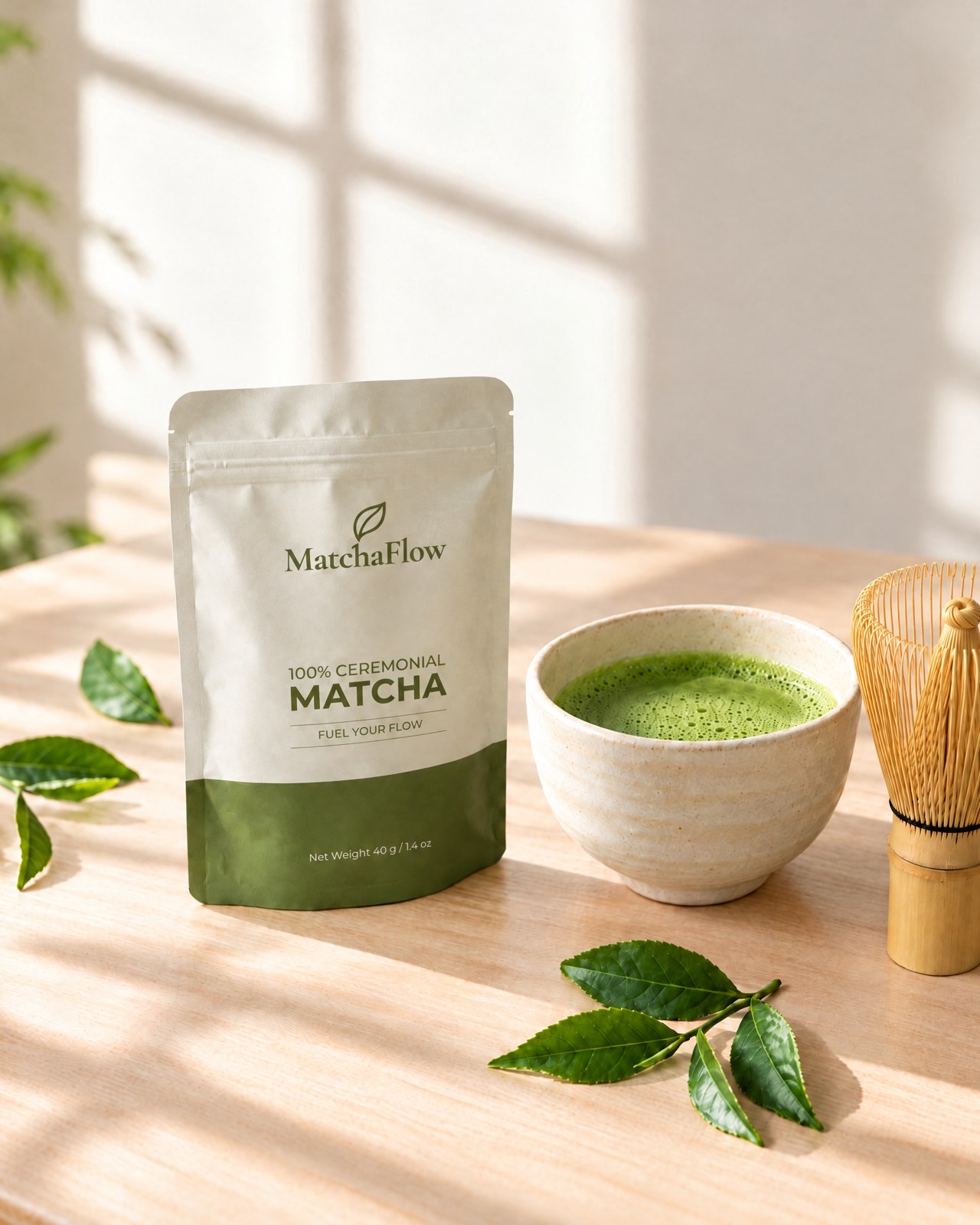
“It’s an easy recommendation for daily matcha drinkers, and we’d buy it again with our own money.”
Common questions
Does good matcha have to come from Japan?
Where did matcha originate?
Is Chinese matcha good quality?
Judge it by the cup
Both grades in the Fresh Start Bundle, $54 with free shipping Australia wide.
Fresh Start BundleBarnie Turrell-Knight
Barnie founded MatchaFlow, an Australian owned brand, to bring certified organic, single origin matcha to Australia after realising too much matcha on the local market holds no organic standard. He works directly with one family owned farm, with every batch traceable to it, and documents the building of the brand publicly along the way.
Founder, MatchaFlow